Still Serving: Activity and Hobby Ideas for Your Post-Military Service Relevance
FROM THE ADVENTURES OF A NAVY MASTER DIVER • RELEVANCE •
Still Serving: Activity and Hobby Ideas for Your Post-Military Service Relevance
Still Serving: Staying Relevant By Doing What You Are Good At
Warrior Expeditions: a veteran’s perspective on thru-hiking the PCT
Photography helps Veteran with PTSD
Stay relevant during the holidays. Our military service during past holidays can leave many of us feeling lonely and depressed. Get off the couch, get out of the house, and stay relevant to keep your mental health strong. I came up with a simple list of things I do and that other veterans I know enjoy doing to maintain my mental health.
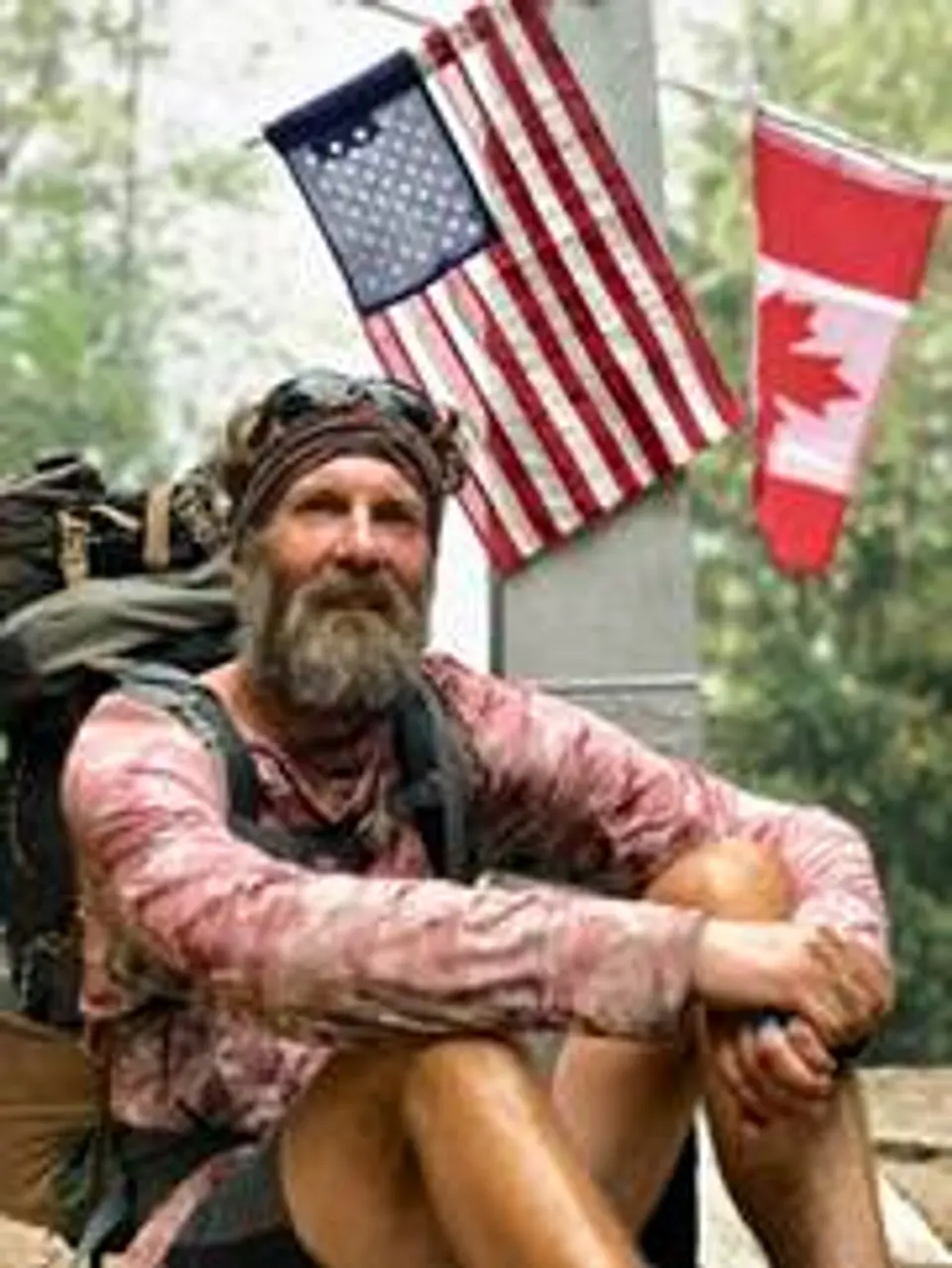
Hiking historic ghost towns and state and national park trails is the only way I can stay fit after my military career. I enjoy reading about and exploring ruins of historic places and learning how people lived in the Southwest United States in its early years. The colors of the breathtaking views these park trails reveal are mentally therapeutic. Searching for and finding petroglyphs along rock-filled trails sustains my passion for exploring historic trails. After years of doing hundreds of pull-ups, push-ups, and sit-ups, and running and swimming many miles daily during my military career, the only thing I can do these days is walk a straight line. I’m fortunate as a Veteran that I can still walk. For Veterans who can't walk, visiting state and national park trailheads and landscapes is just as visually pleasing.
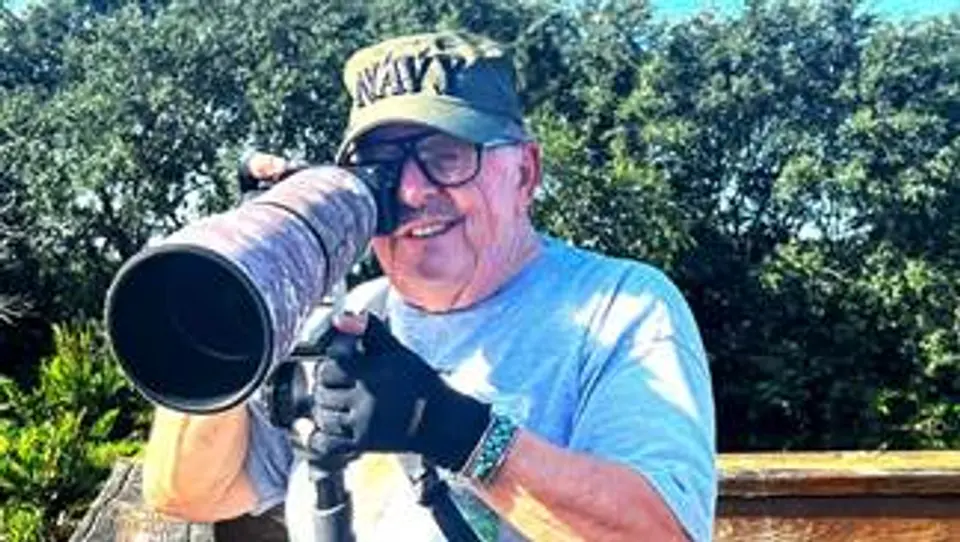
Photography: It wasn’t until the last few years of my military career that smartphones became available to the public. A smartphone camera would have helped me capture more photos of my friends in the military. A high-quality camera captures the best moments of discovery on my hikes. A good camera's resolution helps me create quality art for my home walls. I use my smartphone camera to create digital scrapbooks and share my explorations on social media. Sharing my explorations helps me stay in more frequent contact with my military friends and family. I also use my photo collections to pass my experiences on to future generations of family members.
Writing and Publishing: Sharing your experiences is worth telling, more than you might think. I found writing a book about the men and women I served with in the military deeply gratifying. My book is not all about me; it's mostly about the people who helped me build a successful military career. I wanted to make sure that ordinary military service members like me were remembered hundreds of years from now. Writing about my unique experiences and publishing through books, podcasting, and blogging is a soothing pastime. It also helps others stay relevant. Most importantly, writing and publishing helps my military friends and me stay in touch and check in on each other's mental health.
Occupational Constructive Hobbies
What was your skill or craft specialization in the military? By the time you separated from active duty, you may have become an expert in your specialty but grown tired of operating within the boundaries of military specifications.
If you were a welder in the military and good at it, get back into it, but this time do it your way in your post-career. Were you a cook or culinary specialist with ideas for how the DFAC dining facility could have been better? Now you can do it your way. Senior officer or enlisted leader, mentor those who thirst for leadership. Combat specialty operator, teach survival skills. Equipment mechanic, build that hot rod. Linguist, teach others to speak another language. You get the idea; just apply yourself to stay relevant.
Summary of recent blogs.
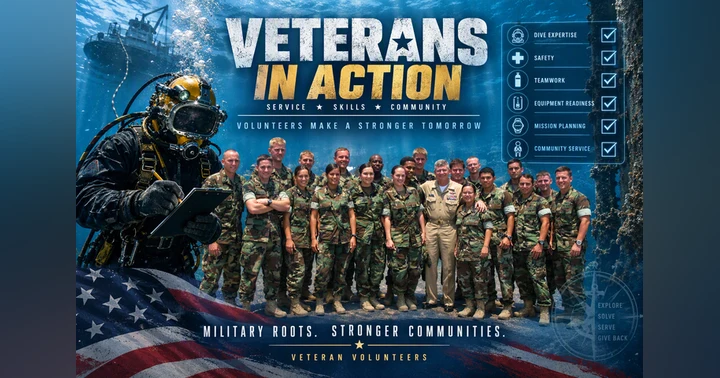
Leaving military service does not mean losing relevance; instead, it creates an opportunity to redirect the qualities developed through years of demanding service toward a new mission. Military experience builds enduring strengths such as leadership, accountability, disciplined problem-solving, risk management, technical expertise, planning, adaptability, teamwork, and mentorship. Veterans must deliberately translate those strengths into civilian terms and continue learning, earn relevant credentials, and build new professional relationships to succeed in a post-military career. At the same time, relevance need not be measured by a new job, title, or paycheck: community service offers another meaningful avenue for veterans to apply their experience through veterans' organizations, nonprofits, youth programs, food banks, hospitals, civic groups, and other local causes. Whether pursuing a second career or volunteering close to home, both documents emphasize that post-military purpose comes from continuing to learn, contribute, mentor, accept responsibility, and reliably serve others, with humility replacing rank and purposeful contribution replacing the need for recognition. The central message is simple: the uniform may come off, but the experience, values, and capacity to make a difference remain; the mission changes, but the opportunity to serve and stay relevant does not.
References:
Still Serving: Staying Relevant Through Community Service